Colorado Properties Balance Water Use, Upkeep Time, and Aesthetic Goals
Broomfield, United States – February 27, 2026 / Olson Outdoors /
Landscape Maintenance Requirements Shape Long Term Property Satisfaction
BROOMFIELD, CO — Homeowners planning landscape projects often face a fundamental choice between designs requiring regular intensive care and approaches that reduce ongoing maintenance demands. Olson Outdoors recently released detailed guidance on low maintenance landscaping for Colorado properties, addressing factors that affect both immediate installation decisions and years of future upkeep.
The decision carries lasting implications. Landscapes designed without maintenance considerations often exceed homeowners’ available time or budget for ongoing care within a few seasons. Properties that initially appear well maintained gradually deteriorate as weeds overtake beds, irrigation issues compound, and seasonal tasks accumulate. Understanding maintenance implications during the planning phase prevents these outcomes.
Initial Appeal Often Conflicts with Realistic Care Capacity
Many homeowners envision landscapes featuring extensive flower beds, diverse plant palettes, and manicured turf areas. These designs create immediate visual impact but demand consistent attention. Weekly deadheading, seasonal pruning, pest monitoring, fertilization schedules, and irrigation adjustments become necessary to maintain the intended appearance.
The time commitment surprises property owners unfamiliar with horticultural maintenance cycles. A 2,000 square foot landscape bed requiring seasonal color rotation involves multiple replanting sessions annually, ongoing soil amendment, deadheading throughout blooming periods, and vigilant weed control. Combined with lawn care, edging, and general cleanup, total maintenance hours quickly exceed what many homeowners anticipated or can realistically provide.
Professional maintenance services address this capacity gap but represent ongoing expense. Monthly or biweekly maintenance visits throughout the growing season add substantially to landscape costs beyond initial installation. Some homeowners budget adequately for this support, while others find the recurring expense unsustainable after a year or two.
Climate realities in Colorado compound these challenges. Water restrictions, intense sun exposure, temperature swings, and occasional drought conditions stress plants requiring consistent moisture and care. High maintenance species often struggle even with attentive management, leading to replacement costs and ongoing frustration.
Properties where maintenance capacity doesn’t match landscape demands show predictable decline patterns. Mulched beds develop weed pressure that overtakes intended plantings. Irrigation systems develop unnoticed leaks or coverage gaps. Turf areas expand into landscape beds as edging lapses. The cumulative effect significantly diminishes curb appeal and property value.
Design Choices Directly Determine Future Care Requirements
Xeriscaping represents one approach that substantially reduces water use and maintenance intensity. This method emphasizes drought tolerant plant selections, efficient irrigation design, and strategic use of rock and mulch materials. Properly designed xeriscapes require significantly less water than traditional landscapes while maintaining year round visual interest through varied textures, colors, and seasonal changes.
Plant selection drives maintenance intensity more than any other single factor. Plantings and softscapes using native or regionally adapted species require less intervention than non native ornamentals. Native grasses, perennials, and shrubs suited to Colorado’s climate establish deep root systems, tolerate local soil conditions, and resist regional pests with minimal input.
Mulching and rock installations reduce weed pressure and moisture loss while creating clean, finished aesthetics. Rock installations offer particular advantages in high sun areas where organic mulch breaks down quickly. Properly installed landscape fabric beneath rock or mulch further suppresses weed emergence and extends maintenance intervals between bed refreshing.
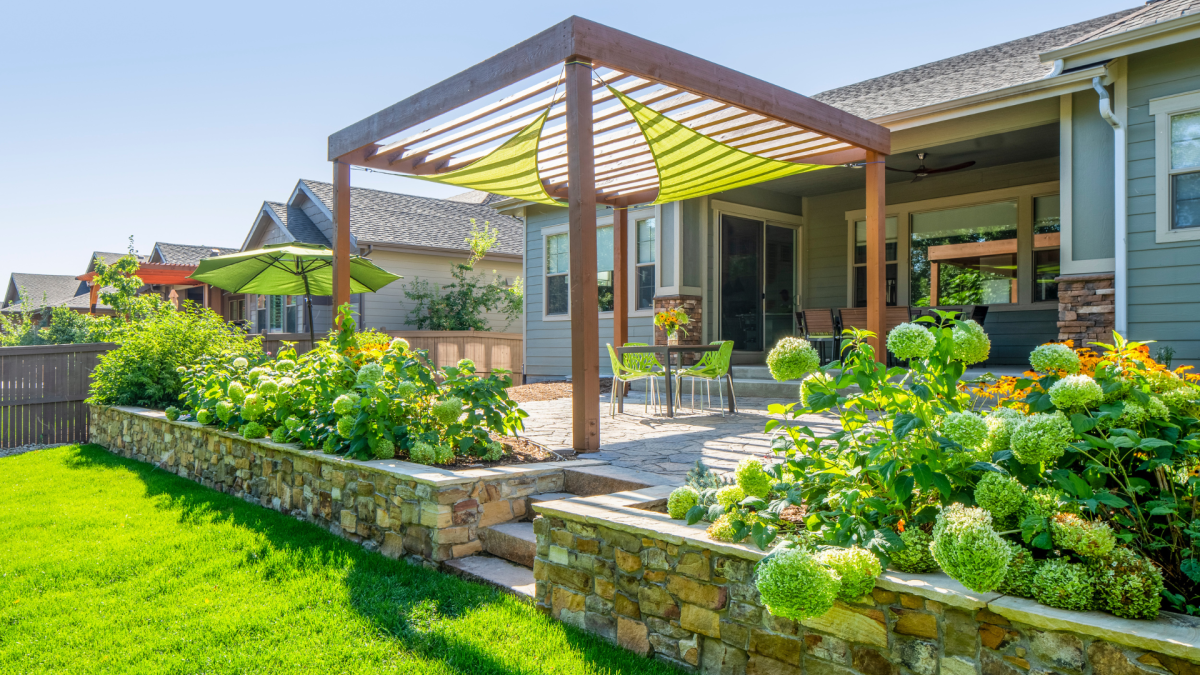
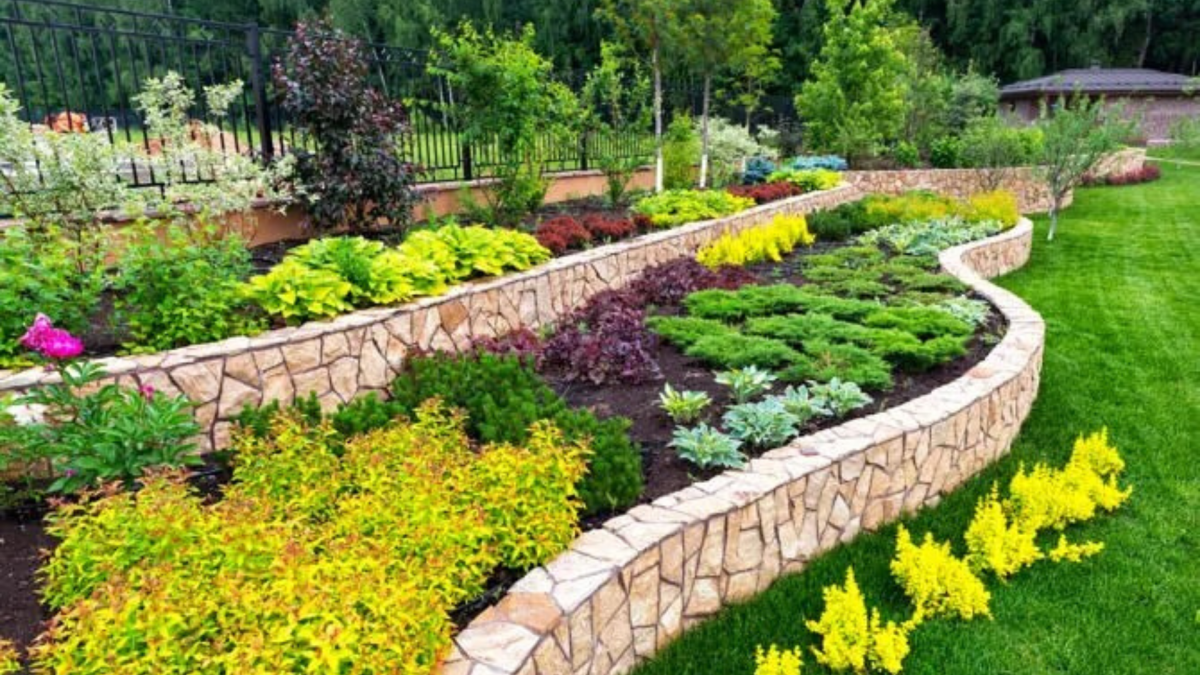
Hardscaping elements like patios and walkways, retaining walls, and landscape bed edging create permanent structure requiring virtually no ongoing care beyond occasional cleaning. Increasing hardscape proportions relative to planted areas directly reduces maintenance demands. Strategic hardscape placement also manages foot traffic, preventing soil compaction in planted zones.
Turf management represents a major maintenance category for most properties. Sod installation using low water grass varieties or reducing total turf area through expanded hardscaping and planted beds decreases mowing time, water consumption, and fertilization requirements. Some properties benefit from replacing high maintenance turf sections with flagstone pathways or expanded patio areas that serve functional purposes while eliminating care needs.
Irrigation installation design significantly affects both water efficiency and maintenance requirements. Drip irrigation for planted beds delivers water directly to root zones, reducing waste and weed seed germination in surrounding soil. Zone design matching plant water needs prevents overwatering some areas while underwatering others. Proper system design reduces manual watering and minimizes irrigation maintenance and repair needs over time.
Project Planning Accounts for Homeowner Priorities and Constraints
Olson Outdoors evaluates several factors when discussing landscape approaches with property owners. Time availability for ongoing care ranks among the most important considerations. Homeowners working full time with limited weekend availability benefit from designs requiring minimal seasonal intervention. Those with flexible schedules who enjoy gardening may prefer landscapes offering more hands-on involvement.
Budget allocation between installation and maintenance also shapes appropriate recommendations. Higher initial investment in permanent hardscape elements and established plantings reduces ongoing care costs. Conversely, modest installation budgets combined with homeowner willingness to perform regular maintenance allows for different design approaches.
Water cost sensitivity influences plant selection and irrigation design. Properties where water expense matters substantially benefit from drought tolerant plant palettes and efficient irrigation. Those less concerned with water bills have broader plant options, though sustainability considerations still favor efficient designs.
Aesthetic priorities balance against maintenance realities. Homeowners valuing seasonal color displays accept higher maintenance requirements that come with annual rotation. Those prioritizing evergreen structure and year round consistency gravitate toward low maintenance perennials, ornamental grasses, and evergreen shrubs requiring minimal seasonal attention.
Local Conditions Influence Appropriate Design Approaches
Properties throughout Broomfield and surrounding Front Range communities face varying sun exposure, soil composition, and microclimate conditions affecting plant performance and maintenance needs. South and west facing slopes experience intense afternoon sun and faster soil drying, making drought tolerant species and efficient irrigation particularly important. Shaded north exposures support different plant palettes with distinct care requirements.
Soil quality varies substantially across the region. Properties with heavy clay benefit from amended planting beds and species tolerant of slower drainage. Sandy soils require different plant selections and often benefit from organic matter incorporation to improve moisture retention. Matching plants to existing soil conditions reduces amendment needs and ongoing fertility inputs.
Existing landscape features influence renovation approaches. Mature trees create shade patterns and root competition affecting understory plant options. Slopes require erosion control considerations that shape appropriate planting and hardscaping strategies. Working within these existing conditions rather than fighting them produces more sustainable results.
Communication Focuses on Long Term Project Performance
The company emphasizes realistic expectations about how landscapes age and what different design choices require over time. Rather than presenting idealized images of landscapes at installation, discussions address appearance and care needs across seasons and years. This transparency helps homeowners make choices aligned with their actual willingness to maintain or budget for professional care.
Project planning includes considering how properties might evolve as homeowners’ circumstances change. Landscapes that work well when owners have ample time for gardening may become burdensome as schedules shift. Designs incorporating flexibility for future maintenance reduction provide options as needs change. Information about the company’s services and approach is available to those researching landscape options for their properties.
Mismatched Maintenance Expectations Create Preventable Frustration
Many landscape disappointments stem from initial design choices that didn’t account for realistic care capacity. Properties installed with high maintenance plantings that receive inadequate attention decline steadily, creating ongoing dissatisfaction and eventual renovation expense. Addressing maintenance considerations during planning prevents this outcome entirely.
Homeowners benefit from evaluating their genuine willingness to perform or fund ongoing care before finalizing design approaches. Honest assessment of available time, interest in hands-on maintenance, and budget for professional services shapes appropriate recommendations. Olson Outdoors serves residential properties throughout the Broomfield area. Property owners considering landscape projects can contact the company at 720-438-4272 for information specific to their site conditions and maintenance preferences.

Contact Information:
Olson Outdoors
7700 W 120th Ave
Broomfield, CO 80020
United States
Contact Olson Outdoors
(720) 438-4272
https://olsonoutdoors.com/
Original Source: https://olsonoutdoors.com/media-room/


