Outdoor Perfection Landscaping Explains Design Decisions That Shape Pool Area Performance
Magnolia, United States – February 27, 2026 / Outdoor Perfection Landscaping /
Balancing Privacy, Openness, and Functionality in Pool Area Design
Property owners planning pool landscapes face design decisions that permanently affect how spaces function, feel, and serve household needs. Creating enclosed, private retreats requires different approaches than designing open, socially oriented spaces. Adding too much screening vegetation limits sight lines and increases maintenance, while insufficient privacy leaves homeowners uncomfortable using pools. Understanding these tradeoffs helps establish clear design directions before installation begins.
Outdoor Perfection Landscaping recently published guidance on low maintenance pool landscape design addressing material selections, planting strategies, and functional planning considerations for Texas properties. The information helps property owners evaluate design options based on actual use patterns and maintenance willingness rather than aesthetic preferences alone.
Why Pool Landscape Decisions Extend Beyond Visual Appearance
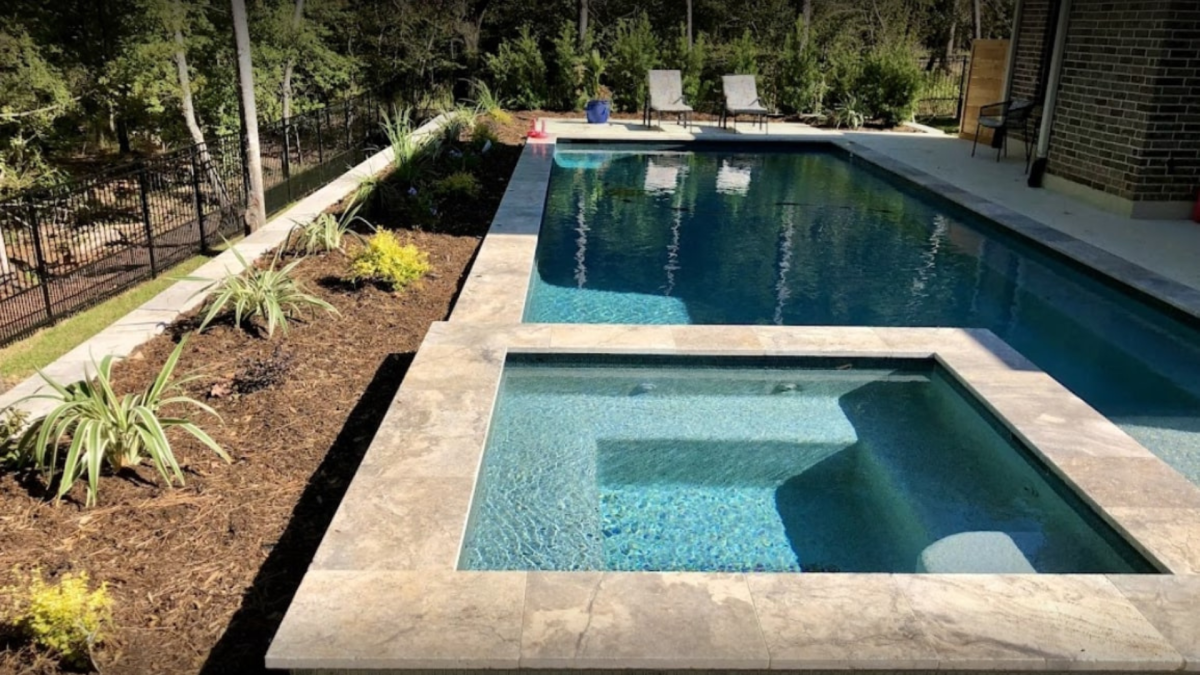
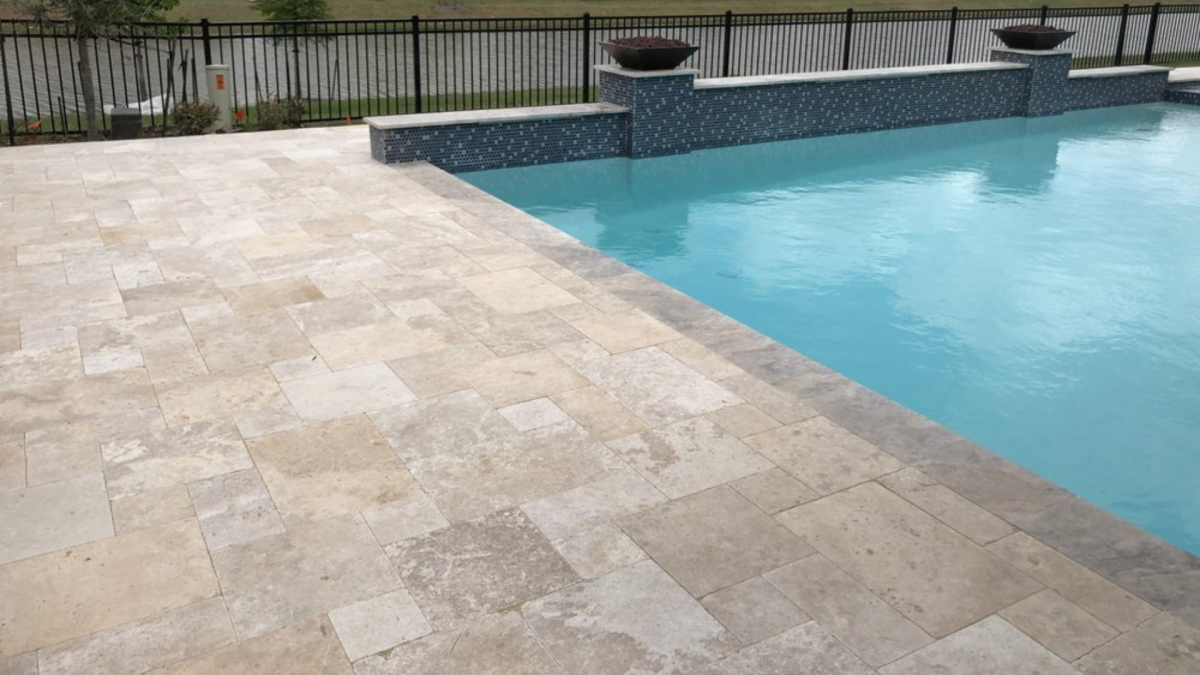
Material selections for pool surrounds affect safety, comfort, and longevity in ways that influence daily pool use. Paver pool decks provide slip resistant surfaces, heat reflection management, and individual unit replacement when damage occurs. Smooth surfaces become uncomfortably hot under direct Texas sun, while textured options maintain reasonable temperatures and prevent slipping on wet surfaces. Color choices influence heat absorption, with lighter tones staying cooler than dark materials that intensify afternoon heat.
Drainage planning around pools prevents standing water, soil erosion, and foundation concerns that develop when surface water management receives insufficient attention. Pool decks require specific slope gradients directing water away from pool edges toward appropriate discharge points. Adjacent planting areas need grading that prevents water from pooling around plant roots or flowing toward home foundations. Addressing these drainage requirements during initial design costs less than corrections after problems manifest.
Equipment access affects maintenance complexity and long term costs. Pool pumps, filters, and heaters require regular service that becomes difficult when landscape features block access paths. Planting beds positioned too close to equipment pads create ongoing trimming needs and complicate repair work. Design layouts should maintain clear access routes to all mechanical equipment while screening these utilitarian elements from primary viewing areas.
Planting selections near pools require consideration beyond aesthetic preferences. Certain trees and shrubs drop excessive leaves, flowers, or seed pods that create constant debris in pool water and clog filtration systems. Plants with invasive root systems damage pool structures, plumbing, and paver installations over time. Species selection should emphasize low debris production, controlled root behavior, and appropriate mature sizes that won’t overwhelm spaces as they develop.
Safety considerations influence design decisions particularly for households with young children. Clear sight lines from home interiors to pool areas allow supervision without requiring constant outdoor presence. Avoiding dense plantings that obscure pool views or create hiding spots near water improves safety while maintaining attractive landscapes. Pathway lighting, step lighting, and tree lighting enhance visibility during evening hours when pools remain in use.
How Design Approaches Create Different Outdoor Experiences
Privacy focused designs use strategic screening to block views from neighboring properties while maintaining internal openness. Retaining walls with integrated plantings, layered shrub borders, and uplighting create vertical screening without requiring tall fencing that feels confining. This approach produces secluded retreats suitable for households prioritizing intimate outdoor spaces over social entertainment areas.
Entertainment oriented designs emphasize openness, generous circulation space, and sight lines connecting pool areas to patios, outdoor kitchens, and seating zones. These layouts accommodate gatherings by eliminating bottlenecks and creating natural flow between functional areas. Lighting designs in these spaces highlight architectural features, illuminate pathways, and create ambiance supporting evening entertaining.
Low maintenance approaches minimize planting bed sizes, select drought tolerant species requiring minimal care, and maximize hardscaped areas that need occasional cleaning rather than regular attention. These designs suit households with limited time for outdoor maintenance or property owners who prefer professional maintenance services handling routine care efficiently.
The company evaluates household priorities, property constraints, and budget parameters during design consultations. Understanding whether privacy, entertainment, low maintenance, or other factors drive decision making helps establish appropriate design directions. Some households prioritize multiple objectives requiring balanced approaches addressing competing needs through strategic compromises.
Integrating Pool Areas with Existing Landscape Features
Mature trees near planned pool locations influence design possibilities and practical considerations. Tree canopy coverage provides natural shade reducing afternoon heat but increases debris management and limits planting options in shaded areas beneath. Root systems from established trees affect excavation paths, utility routing, and foundation stability for pool structures and surrounding hardscaping.
Existing hardscape features including patios, walkways, and retaining walls should coordinate visually and functionally with new pool area elements. Outdoor Perfection Landscaping matches paver styles, colors, and patterns between existing and new installations creating unified appearances rather than disconnected spaces showing obvious addition. Material continuity across outdoor areas produces cohesive designs that feel intentional rather than piecemeal.
Slope conditions affect design possibilities and budget requirements. Properties with significant elevation changes may require retaining walls creating level pool deck areas and terraced planting zones. These structural elements add functional outdoor space while managing soil erosion and improving overall property usability. Seating walls integrated into slope transitions provide built in seating while serving structural purposes.
Property line setbacks and utility locations constrain design options and influence pool positioning. Understanding these limitations early in planning prevents discovering conflicts after design development invests time in unworkable concepts. Site evaluation identifies these constraints allowing design work to focus on viable solutions from the start.
Practical Considerations That Shape Pool Landscape Success
Climate appropriate plant selection reduces water consumption, minimizes replacement needs, and decreases maintenance time. Native and adapted species evolved for Texas conditions tolerate heat stress, occasional freezes, and clay soil challenges better than exotic varieties requiring constant intervention. Plantings and softscapes focused on regional species create sustainable landscapes that perform well across seasons.
Irrigation planning should separate pool area zones from surrounding landscape areas allowing different watering schedules matching plant needs. Pool surrounds with minimal plantings require less irrigation than garden beds, while turf areas need different schedules than drought tolerant ornamentals. Zone specific irrigation prevents overwatering some areas while under serving others.
Outdoor lighting enhances pool area functionality and safety after dark. Pathway lighting illuminates walkways preventing trips and falls, while uplighting highlights specimen plants and architectural features. Tree lighting creates dramatic effects and extends visual interest into evening hours when pools receive heavy use during Texas summers. Pool area design services include lighting consultations addressing fixture placement, intensity requirements, and aesthetic integration.
Color palette coordination between hardscape materials, plant selections, and architectural elements creates visually cohesive designs. Repeating colors and textures throughout outdoor spaces produces unified appearances, while excessive variation creates busy, disconnected feelings. Design renderings help property owners visualize how material and plant choices work together before installation commits to specific directions.
Serving Property Owners Throughout the Region
The company maintains current knowledge about pool landscape performance through ongoing projects addressing diverse property types, household needs, and budget ranges. This practical experience informs recommendations about what approaches work well in actual residential applications versus theoretical concepts that sound appealing but perform poorly.
Project communication emphasizes decision point identification and realistic timeline expectations. Property owners receive clear information about when specific choices lock in design directions and where flexibility remains for adjustments. This transparency prevents discovering limitations after work begins when correction options become expensive or impossible.
Resources for Montgomery County property owners include accessible guidance about design considerations, material performance, and planning factors. Information addresses common questions helping homeowners understand options before consultation discussions. Additional details about completed pool landscape projects in Magnolia showcase design approaches and material applications in residential settings.
Preventing Problems Through Thoughtful Pool Landscape Planning
Poor design decisions create ongoing maintenance burdens, safety concerns, and functional limitations that persist throughout property ownership. Selecting high debris plants near pools produces constant cleaning needs and filtration problems. Inadequate drainage planning leads to standing water, soil erosion, and foundation issues requiring expensive remediation. Blocked equipment access complicates routine maintenance and increases service costs.
Insufficient privacy screening leaves property owners uncomfortable using pools, diminishing the value and enjoyment justifying pool investment. Conversely, excessive screening creates dark, confined feelings and high maintenance requirements that become burdensome. Finding appropriate balance between openness and privacy during initial design prevents dissatisfaction that’s expensive to correct after installation.
Material selections emphasizing appearance over performance produce surfaces that become uncomfortably hot, dangerously slippery, or require premature replacement. Choosing materials appropriate for Texas climate and actual use patterns creates pool surrounds that remain functional and attractive across decades of ownership.
Outdoor Perfection Landscaping serves residential properties throughout the region. Property owners planning pool landscapes or evaluating design options can contact the company at 936.301.1158.

Contact Information:
Outdoor Perfection Landscaping
27612 FM 2978 Rd
Magnolia, TX 77354
United States
Contact Outdoor Perfection Landscaping
(936) 301-1158
https://outdoorperfectionlandscaping.com/


Original Source: https://outdoorperfectionlandscaping.com/media-room/


