How Moisture Under Your Home Impacts Indoor Air Quality and Structural Health
Pitcairn, United States – February 26, 2026 / ARK Basement Services /
Most homeowners rarely think about their crawlspace. It is out of sight, rarely visited, and not considered part of everyday living space.
aBut what happens underneath your home directly affects what happens inside it.
Crawlspace moisture problems are more common than many people realize. And while they may start quietly, they can impact structural stability, indoor air quality, and even long-term property value.
Why Crawlspaces Naturally Trap Moisture
Crawlspaces are particularly vulnerable to moisture for several reasons.
Exposed Soil
Many crawlspaces have bare soil floors. Ground moisture naturally evaporates upward, increasing humidity levels under the home.
Poor Ventilation
Older homes were often built with small vents intended to circulate air. In reality, these vents can allow humid outdoor air to enter and condense inside.
Plumbing and Ductwork
Pipes and HVAC ducts running through crawlspaces create temperature differences that lead to condensation.
Drainage Issues
Improper grading, clogged gutters, or foundation cracks allow water to collect around the home and seep into the crawlspace.
Over time, these conditions create persistent dampness.
How Moisture Under Your House Affects Indoor Air
Many homeowners assume that crawlspace air stays below the house. In reality, air moves upward.
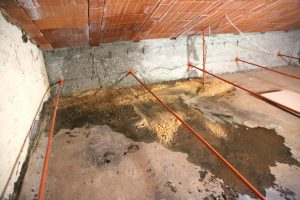
This process, sometimes called the stack effect, pulls air from lower levels into living areas. If your crawlspace is damp, humid, or moldy, that air can circulate throughout your home.
That means crawlspace moisture problems can contribute to:
-
Musty odors upstairs
-
Increased indoor humidity
-
Allergy symptoms
-
Respiratory irritation
-
Warped hardwood flooring
What starts below the house does not stay there.
Signs You May Have Crawlspace Moisture Issues
Because crawlspaces are rarely inspected, warning signs often appear elsewhere in the home first.
Watch for:
-
Persistent musty smells
-
Floors that feel soft or uneven
-
Higher indoor humidity
-
Mold growth along baseboards
-
Increased pest activity
-
Warping hardwood or laminate flooring
If these signs are present, the problem may originate underneath your home.
The Structural Risks of Ongoing Moisture
Moisture does not only affect air quality. It also affects structural materials.
Excess humidity can cause:
-
Wood rot in floor joists
-
Rusted metal supports
-
Insulation breakdown
-
Sagging floors
-
Increased risk of termite activity
Over time, structural repairs become more costly than early moisture control would have been.
Encapsulation vs Ventilation: What Actually Works?
For years, crawlspace vents were considered standard practice. Today, many building science experts recognize that open vents often allow more humidity than they remove.
Crawlspace Encapsulation
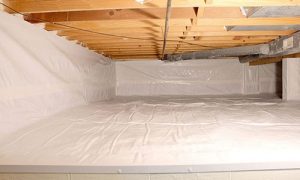
Encapsulation involves sealing the crawlspace with a durable vapor barrier, closing vents, and controlling humidity with a dehumidification system.
This approach:
-
Blocks ground moisture
-
Reduces humidity
-
Improves energy efficiency
-
Protects structural components
-
Enhances indoor air quality
Ventilation Alone
Ventilation without moisture control often fails in humid climates. It may introduce warm, moist air that condenses inside the crawlspace.
Professional evaluation determines which approach fits your home’s specific conditions.
Why DIY Solutions Often Fall Short
Some homeowners attempt to lay plastic sheeting over exposed soil or install basic fans. While these efforts may help temporarily, they rarely create a sealed, controlled environment.
Proper crawlspace repair requires attention to:
-
Sealing seams and edges
-
Securing vapor barriers
-
Addressing drainage problems
-
Installing correct humidity control systems
Without a comprehensive approach, moisture can return.
Long-Term Benefits of Addressing Crawlspace Moisture
When crawlspace moisture problems are resolved professionally, homeowners often notice immediate improvements.
Benefits include:
-
Fresher indoor air
-
Lower humidity levels
-
Improved energy efficiency
-
Stronger structural support
-
Reduced mold risk
-
Greater overall home comfort
The space may be below your home, but its impact reaches every room.
FAQs About Crawlspace Moisture Problems
Is moisture in a crawlspace normal?
Some humidity is expected, but persistent dampness, standing water, or mold growth indicate a problem.
Does crawlspace moisture affect upstairs air quality?
Yes. Air naturally rises from lower levels into living spaces.
Is encapsulation worth it?
In many homes, encapsulation provides long-term protection and improved indoor comfort.
Can crawlspace moisture cause structural damage?
Yes. Prolonged moisture can weaken wood framing and support systems.
Final Thoughts
Crawlspace moisture problems are easy to overlook, but their effects are not. From indoor air quality to structural stability, moisture underneath your home influences more than most homeowners realize.
Addressing the issue early protects your foundation, your comfort, and your long-term investment.
If you suspect moisture beneath your home, a professional inspection can determine the cause and provide a solution designed for lasting protection.
Contact Information:
ARK Basement Services
532 Broadway Blvd
Pitcairn, PA 15140
United States
Mike Perry
(866) 939-2837
https://www.arkbasementservices.com/


