
Key Takeaways
- Reformer Pilates uses a sliding carriage, springs, and a footbar to build core strength, flexibility, and posture while staying gentle on the joints
- Studies found that Reformer Pilates was linked to lower body weight, body fat, waist size, visceral fat, and anxiety, along with increased muscle mass and strength.
- Spring-based resistance work can support bone density at any age, which is especially useful for women experiencing the hormonal shifts of menopause
- A four-week Pilates program may improve heart, metabolic, and stress measures in previously sedentary women, with older participants showing a greater reduction in glucose and cortisol levels after the intervention than younger participants
South Miami’s fitness scene has no shortage of ways to break a sweat, but one workout keeps earning loyal fans among women of every age and background: Reformer Pilates. The appeal goes beyond trend. This style of movement delivers measurable gains in strength, flexibility, and mental steadiness, all while staying gentle enough on the joints to practice for decades, rather than only a few months.
What Makes the Reformer Different
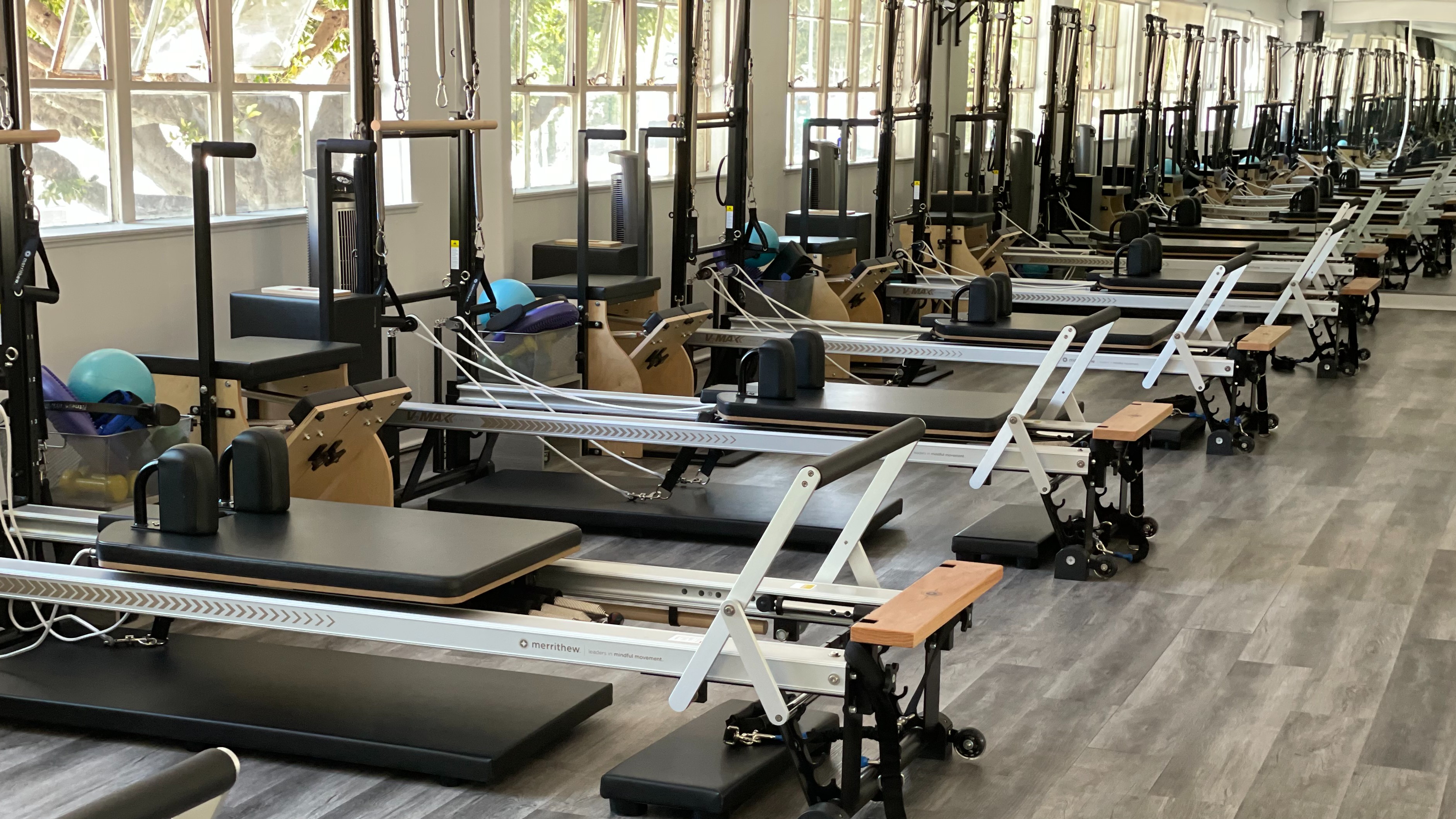
A Pilates reformer looks nothing like a treadmill or a stack of free weights, and that is precisely the point. The machine features a sliding carriage connected to a set of springs, along with straps, ropes, and a sturdy footbar that work together to add resistance in one direction and support in another. That combination allows for a wider range of motion than mat-based Pilates alone can offer, since the springs can be adjusted to make an exercise easier or dramatically more challenging.
“This adjustability sets Reformer work apart from most strength-training equipment found in a typical gym. Instead of simply piling on weight, instructors can fine-tune spring tension to match a woman’s current strength, flexibility, or recovery needs on any given day,” explained a spokesperson from Natural Pilates, which recently opened its latest studio in South Miami. “The workout can flex around hormonal cycles, old injuries, or simply an off day, without losing its intensity.”
Core Strength, Flexibility, and Posture
Nearly every Reformer exercise asks the body to stabilize itself against a moving carriage, which means the core rarely gets a break during a session. That constant engagement builds functional strength that carries over into everyday movement, from lifting groceries to standing up straighter at a desk.
Building a Stronger Core and Pelvic Floor
Reformer sequences are built around deep abdominal activation, and that focus extends naturally to the pelvic floor. Movements that engage the lower back and pelvic floor alongside the abs create a kind of internal support system, one that matters a great deal during pregnancy, postpartum recovery, and the hormonal shifts of menopause. Because spring resistance can be scaled up or down, these exercises can be adapted for a woman just beginning to rebuild strength after childbirth as easily as for someone training at an advanced level.
Gaining Flexibility and Better Alignment
The sliding carriage encourages fluid, controlled stretching that gently elongates muscles rather than forcing them into extreme ranges. Over weeks of consistent practice, that controlled lengthening tends to show up in daily life as easier reaching, bending, and twisting. Better alignment often follows close behind, since many Reformer exercises specifically cue the spine and shoulders into a more neutral, supported position.
Easing Back, Neck, and Joint Pain
Chronic tightness in the back, neck, hips, and shoulders frequently traces back to muscle imbalances built up over years of repetitive movement or poor posture. Reformer Pilates works to retrain those compensatory patterns by strengthening underused postural muscles while releasing the ones doing too much work. Many women find that consistent sessions translate into noticeably less stiffness, particularly in the lower back, where a stronger core takes pressure off the spine.
Toning, Weight Loss, and Bone Health
Beyond flexibility and pain relief, the Reformer has a well-earned reputation for reshaping the body in a balanced, sustainable way. The resistance from the springs challenges muscles through a full range of motion, which encourages even development rather than the overworked-and-underworked imbalances that come from repetitive single-direction exercise.
Lean Muscle Without the Bulk
Spring-based resistance tends to favor long, lean muscle development over bulk, since the exercises emphasize control and endurance rather than maxing out on heavy loads. A single Reformer class typically isolates the core, back, glutes, thighs, and arms in sequence, so the whole body gets attention rather than just one or two muscle groups. That balanced approach is part of why so many women describe the results as sculpted rather than simply bigger.
Supporting Weight Management
Weight management on the Reformer comes from two directions at once: calorie burn during class and the metabolic boost that comes from building lean muscle over time. Some class formats add cardio intervals to raise the intensity further, which can mean more calories burned per session. An eight-week Reformer Pilates program in overweight and obese women aged 30-60 led to significant reductions in body composition, upper extremity strength, endurance, and depression/anxiety scale scores, and a separate eight-week program in inactive women aged 20-40 produced significant reductions in body weight, BMI, fat percentage, visceral fat, waist circumference, and arm circumference, along with a significant increase in muscle mass, giving concrete examples of how consistent practice can shift body composition over a defined period.
Protecting Bone Density at Every Age
Resistance work matters for bone health at any stage of life, but it becomes especially important for women approaching or moving through menopause, when bone density naturally starts to decline. The spring-based resistance on a Reformer, combined with body weight, stimulates the kind of bone-building response that weight-bearing exercise is known for. For women over 50 in particular, that steady stimulation can play a role in maintaining bone density and reducing the heightened risk of osteoporosis that comes with this life stage.
Mental Clarity Through Mindful Movement
Pilates has always leaned heavily on breath and concentration, and the Reformer amplifies that mind-body connection because every movement requires focus just to stay balanced on the moving carriage. That sustained attention has a way of quieting mental chatter, which many women notice as a kind of moving meditation rather than just another workout.
There is a physiological angle here too. A four-week Pilates program was found to improve heart, metabolic, and stress measures in previously sedentary women, with older participants showing a greater reduction in glucose and cortisol levels after the program than younger participants. Paired with the improved sleep and emotional steadiness that often come from controlled, breath-led movement, the mental benefits of Reformer Pilates can end up feeling just as valuable as the physical ones.
Starting Your First Reformer Class
Walking into a Reformer studio for the first time can feel a little intimidating simply because the machine looks unfamiliar. That feeling tends to fade quickly, since most studios build their beginner classes specifically around getting comfortable with the equipment before adding complexity. A short orientation at the start of a first session usually covers how the carriage moves, how spring tension works, and how to find a safe starting position.
What to Wear and Bring
Preparing for a first class is simple, and a little planning makes the experience far more comfortable.
- Choose fitted, comfortable clothing that will not catch on the springs or straps during movement.
- Bring grip socks, since bare feet or regular socks can slide unsafely on the carriage’s smooth surface.
- Arrive a few minutes early for a first class to get a quick machine orientation before the session starts.
- Bring water, since even low-impact sessions can work up a real sweat.
A Sustainable, Full-Body Practice for Life
What sets Reformer Pilates apart from many fitness trends is how well it holds up over the years, not just weeks. “The low-impact nature of the equipment means joints stay protected even as strength and endurance build, making it realistic to practice consistently well into later decades of life,” said Natural Pilates’s spokesperson. “That kind of longevity matters more than any single class, since the benefits of core strength, flexibility, bone health, and mental clarity all compound with steady, long-term practice.”
They added that women recovering from injury, managing pregnancy or postpartum changes, or simply looking for a workout that respects their body over time tend to find the Reformer adaptable to wherever they are.
For anyone in South Miami ready to feel those benefits firsthand, booking a beginner-friendly reformer pilates class is a practical first step toward a stronger, more balanced practice.
Natural Pilates – South Miami
info@naturalpilates.com
7212 SW, 57th Avenue (Red Road)
South Miami
FL
33143
United States


