
Orlando, Florida Aug 10, 2026 (Issuewire.com) For years, mastering tools, building technical expertise, and executing tasks quickly were among the qualities that set professionals apart in the workplace. With the rapid adoption of artificial intelligence, that dynamic is beginning to change. If the challenge once was finding the right answers, the real advantage today lies in asking the right questions, interpreting information, and making strategic decisions.
This shift reflects a broader global trend. The World Economic Forums Future of Jobs Report 2025 identifies technological advances, particularly those driven by artificial intelligence, as one of the major forces expected to reshape the labor market through 2030. Among the skills projected to grow most in importance are analytical thinking, creativity, resilience, flexibility, and continuous learning.
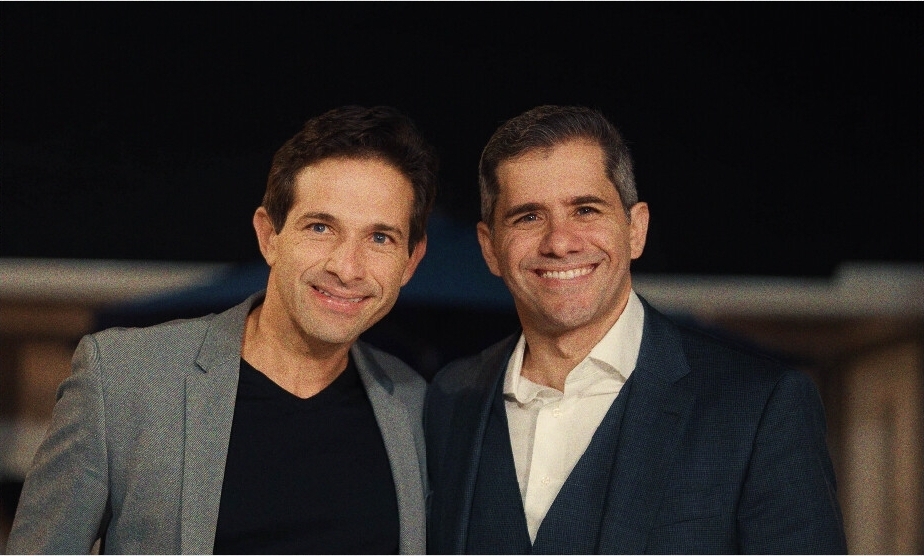
Brazilian entrepreneurs André Carvalho and Raphael Carvalho have witnessed this transformation firsthand. The brothers built successful careers as immigrants in the United States and now lead growing companies in the American market, where they see the impact of artificial intelligence on management, productivity, and team development on a daily basis.
In their view, AI does not diminish the importance of people. Instead, it is changing what creates real value within organizations.
What we are seeing is the elimination of repetitive tasks. Processes that once took hours can now be completed in minutes, allowing professionals to focus their energy on higher-value activities, says André Carvalho.
According to the entrepreneurs, companies will not gain a competitive advantage simply by adopting artificial intelligence. The real differentiator will be their ability to build teams that use technology effectively while maintaining critical thinking and sound decision-making.
Operational work is likely to decrease, while skills such as analysis, adaptability, and critical thinking will become increasingly important. Artificial intelligence can provide information, but it is still the human being who must determine the best decision in each context, explains Raphael Carvalho.
Recent research reinforces this perspective. Microsofts 2025 Work Trend Index shows that companies around the world are already restructuring their organizations to integrate artificial intelligence into their teams. According to the report, 82% of leaders say this is a pivotal year to rethink key aspects of strategy and operations as AI reshapes the workplace a sign that the transformation is already underway.
For André Carvalho, one of the biggest mistakes companies and professionals can make is assuming that using artificial intelligence means giving up human judgment.
AI should serve as a support tool. Those who simply accept everything it produces risk losing their ability to exercise judgment. The professionals who will advance the most are those who know how to combine technology with critical thinking.
The entrepreneurs also point out that the market no longer expects professionals to fully master a tool before they begin using it. In an environment defined by constant change, the ability to learn quickly has itself become a competitive advantage.
There is no longer room to wait for the landscape to stabilize. Learning now happens through practice. Those who begin experimenting today develop their ability to adapt more quickly and adaptability will be one of the most important skills in the years ahead, Raphael notes.
For André and Raphael Carvalho, the debate surrounding artificial intelligence is no longer about humans versus technology. The challenge now is developing professionals who can use AI as a powerful tool without sacrificing their ability to analyze information, exercise judgment, and make decisions.
As access to information becomes increasingly democratized and technology accelerates execution, the true competitive advantage is shifting toward the quality of human judgment.
The biggest mistake is seeing artificial intelligence as a competitor. It expands the capabilities of those who know how to use it effectively. Technology will continue to evolve, but critical thinking, judgment, and decision-making remain irreplaceable, Raphael concludes.
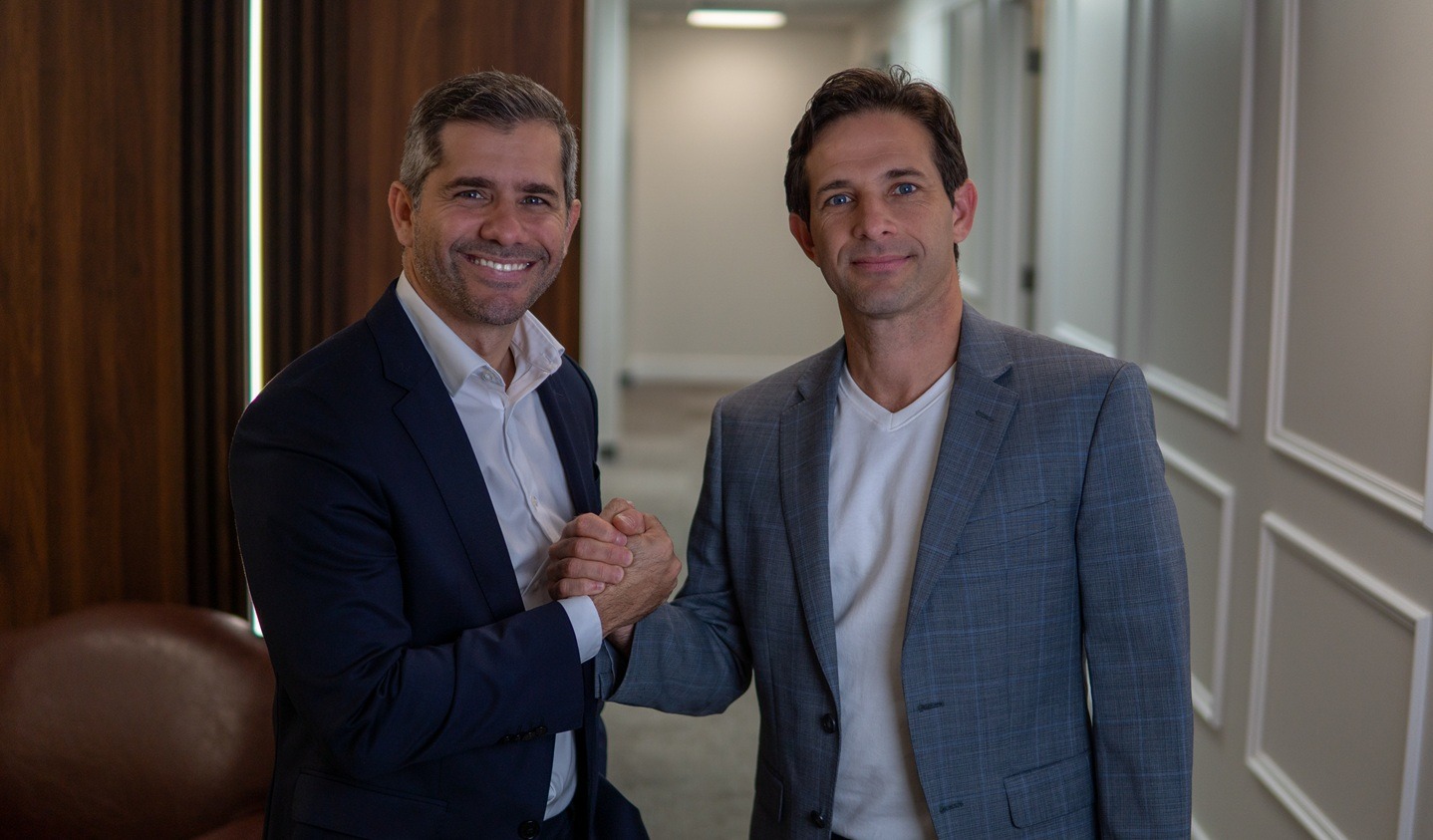
Source :Carvalho’s Brothers
This article was originally published by IssueWire. Read the original article here.


