
The rapid adoption of AI applications is driving significant growth in data centre electricity demand. As energy consumption continues to rise, securing a stable power supply has become a major challenge for the future development of the AI industry.

BOSTON, MA (MERXWIRE) –Using AI chat tools, generating images, and organising information have gradually become part of daily work and personal routines for many people. However, behind these convenient services are massive data centres that require significant computing power, and the rapid growth of AI is also driving a sharp increase in global electricity demand.
In recent years, generative artificial intelligence (GenerativeAI) has expanded rapidly, with applications ranging from chatbots and image generation to enterprise automation. AI is becoming increasingly integrated into everyday life. However, as people enjoy the convenience brought by AI, the enormous energy consumption behind these technologies is attracting growing attention.
According to Gartner’s latest forecast, global data centre electricity consumption is expected to reach 565TWh in 2026, up approximately 26% from 447TWh in 2025. The figure could exceed 1,200TWh by 2030. As AI models become increasingly complex and require greater computing capacity, data centres are becoming a major contributor to rising global electricity demand.
Beyond computing, AI infrastructure also requires extensive cooling systems to maintain stable operations. High-performance chips generate more heat, requiring data centres to deploy advanced cooling technologies, further increasing energy consumption.
The International Energy Agency (IEA) has noted that data centres have become one of the fastest-growing sources of electricity demand worldwide. As AI applications continue to expand, electricity needs from data centres are expected to keep rising, prompting governments to focus more on power supply capacity and energy efficiency.
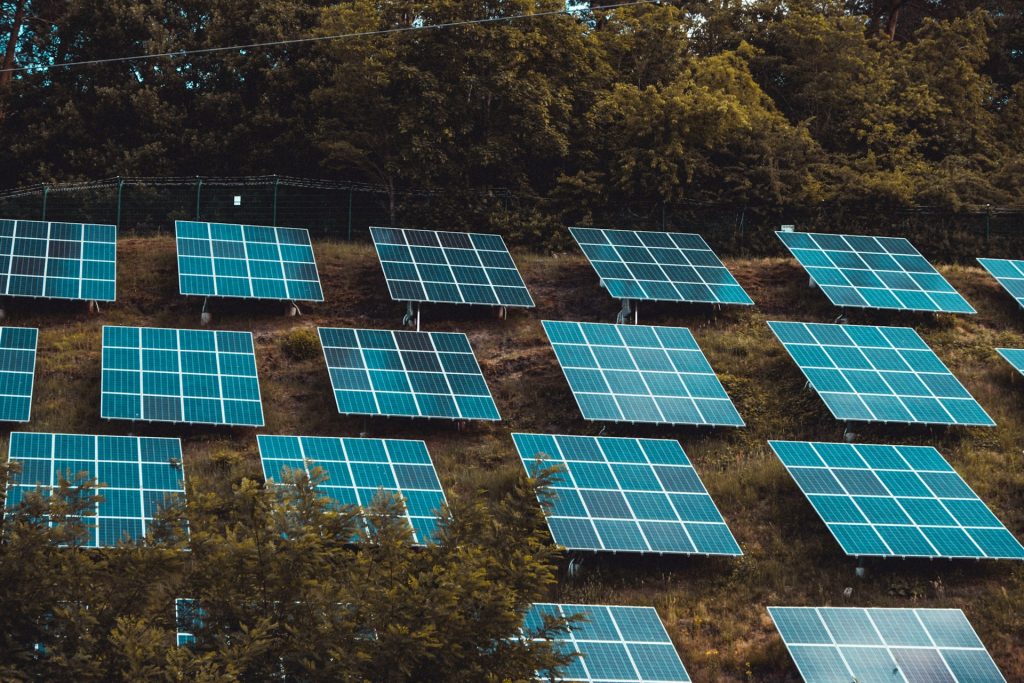
Technology companies are now actively improving energy efficiency by enhancing server performance, adopting more efficient cooling technologies, and increasing the use of renewable energy. These efforts aim to reduce the energy pressure created by the rapid expansion of AI.
AI is transforming the way people use technology, but this digital revolution is also creating new energy challenges. Future AI competition will depend not only on technological capabilities but also on the ability to secure stable and sustainable energy supplies to support continued artificial intelligence development.


