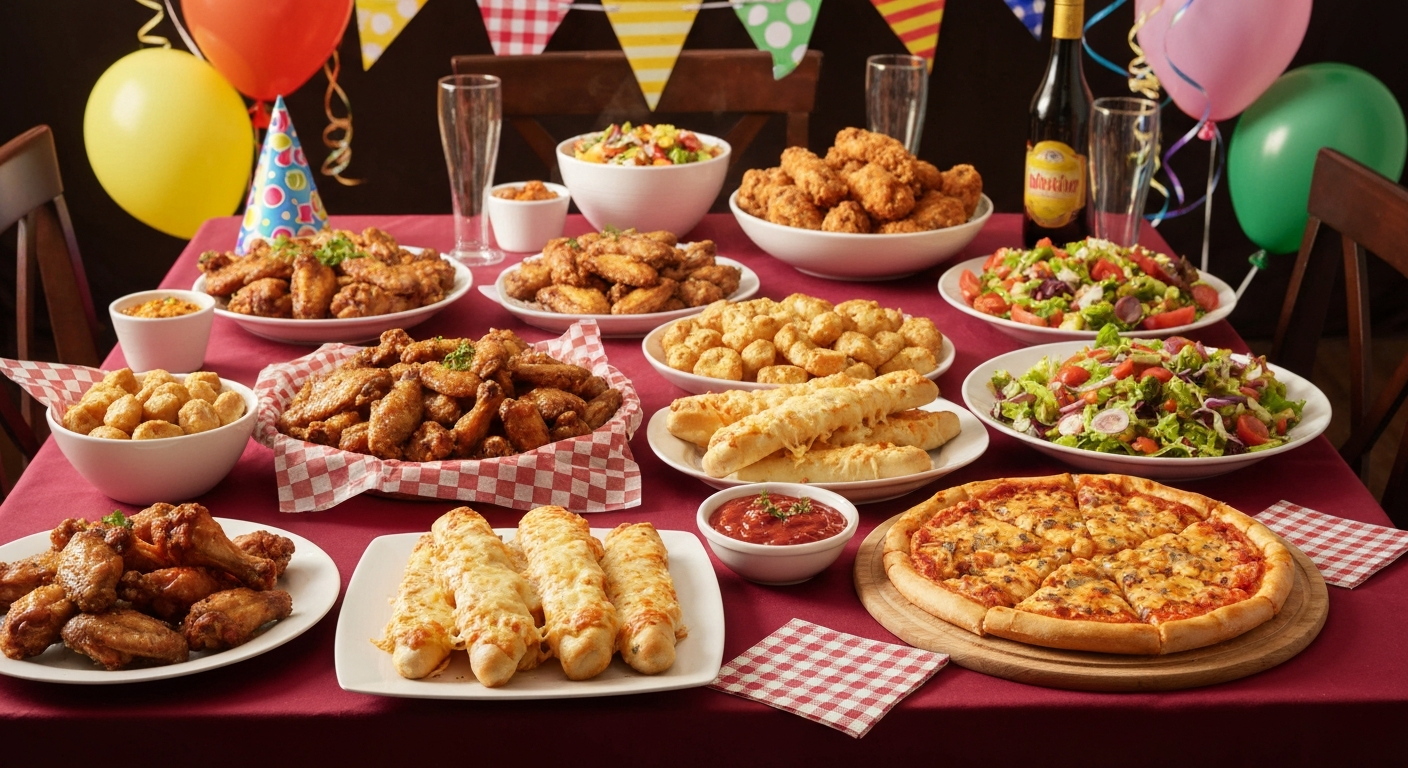
Beyond the Slice: How Finger Foods and Sides Are Redefining Pizza Parties
Pizza has long been a reliable centerpiece for gatherings, but the way it is served—and experienced—has changed. Pizza is no longer expected to carry the entire meal. Instead, it is just one part of a broader spread of finger foods and sides designed for sharing, easy movement, and flexibility. This shift reflects changing expectations around hosting, where ease, variety, and social interaction matter just as much as the food itself.
As a result, pizza parties are becoming less about serving a single dish and more about creating an environment where guests can graze, connect, and enjoy a range of complementary flavors.
Why Pizza Alone Falls Short at Parties
Pizza works well for groups because it is familiar, filling, and easy to share. However, at a party—where guests may be eating over an extended period—it can feel repetitive on its own. The combination of dough, cheese, and sauce, while satisfying, offers limited contrast in texture and flavor.
This becomes more noticeable in social settings where guests expect variety. A successful party spread typically balances richness with freshness, and soft textures with crisp or crunchy elements. Sides such as salads, vegetables, or light appetizers introduce that contrast, making the overall experience more engaging.
There is also a practical consideration. Guests arrive and eat at different times, move around, and often prefer smaller portions rather than full slices. A mix of finger foods supports this natural flow far better than a single main dish.
The Role of Finger Foods in Social Settings
Finger foods are central to party planning because they align with how people naturally interact at gatherings. Unlike plated meals, they allow guests to eat casually, without interrupting conversations or requiring a fixed seating arrangement.
This format offers several advantages:
- Mobility: Guests can eat while standing, mingling, or moving between spaces
- Portion control: Smaller items make it easier to sample multiple options
- Pacing: Food can be enjoyed gradually rather than all at once
Pizza fits into this structure seamlessly. It is already designed to be eaten by hand, making it an ideal foundation for a party menu built around similar items. When paired with other finger foods, it becomes part of a cohesive, low-maintenance dining experience.
Building a Party-Ready Pizza Spread
Party catering experts from Westside Pizza in Colfax, WA explain that creating an effective pizza party menu is less about quantity and more about balance. The goal is to offer enough variety to keep guests interested without overcomplicating preparation or presentation.
1. Start With Shareable Foundations
Pizza remains the anchor, but it works best when supported by similar shareable items. Breadsticks, garlic knots, and cheesy breads extend the same comfort-food appeal while adding subtle variation.
These items are particularly effective at parties because they are easy to grab, require no utensils, and can be replenished quickly as guests circulate.
2. Add Fresh Elements to Lighten the Table
Rich foods dominate most party spreads, which makes fresh sides essential. Simple salads, cut vegetables, or fruit platters introduce contrast and help balance heavier options.
At a party, these lighter items also serve a functional role. They provide alternatives for guests who may want something less filling or who are pacing themselves over a longer event. Including at least one or two fresh options keeps the spread from feeling overly heavy.
3. Include Hot, High-Impact Finger Foods
Hot appetizers bring energy to a party table. Items such as wings, mozzarella sticks, and potato-based snacks add crisp textures and bold flavors that complement pizza without duplicating it.
These foods tend to draw attention and create natural gathering points around the table, reinforcing the social aspect of the event. Because they are easy to portion and share, they maintain the informal tone that defines a successful pizza party.
4. Use Dips to Create Interaction
Dips are one of the simplest ways to elevate a party spread. Marinara, ranch, garlic butter, and similar options add flavor variety while encouraging guests to mix and match combinations.
This interactive element matters. It turns eating into a more engaging experience, where guests customize bites based on their preferences. At a party, small details like this contribute to a more dynamic and memorable atmosphere.
Matching the Menu to the Type of Party
Not all pizza parties are the same, and the best side selections reflect the tone and setting of the event.
- Casual family gatherings: Focus on familiar, low-effort options like breadsticks and simple salads
- Game days or larger parties: Lean into hearty finger foods such as wings, fries, and shareable platters
- Outdoor events: Choose items that hold up well over time, like vegetable trays or skewers
- Smaller social gatherings: Incorporate slightly more refined options, such as bruschetta or antipasto-style sides
Adapting the menu to the setting ensures that the food supports the flow of the event rather than working against it.
Why Variety Matters More at Parties
At a typical meal, consistency can be a strength. At a party, it becomes a limitation. Guests have different preferences, dietary needs, and appetites, and they may approach the food at different times throughout the event.
A varied spread solves several challenges at once. It accommodates different tastes, prevents menu fatigue, and allows guests to build their own experience. This is particularly important in mixed groups, where age, dietary restrictions, and personal preferences can vary widely.
Pizza provides a strong foundation, but it is the surrounding variety that transforms it into a complete party solution.
Trends Influencing Modern Pizza Parties
Several broader food trends are shaping how pizza and sides are used in party settings.
Customization continues to play a major role. Guests increasingly expect options that reflect different dietary preferences, including vegetarian, gluten-free, and plant-based choices. Offering a mix of sides makes it easier to accommodate these needs without overcomplicating the main menu.
Flavor experimentation is also becoming more common. While pizza toppings have evolved, sides are following the same path, with more emphasis on bold, global, or layered flavors. This allows hosts to introduce variety without straying too far from familiar formats.
At the same time, convenience remains a priority. Party hosts are looking for ways to reduce preparation time and cleanup, which makes finger foods and pre-portioned items particularly appealing.
Common Pitfalls in Party Planning
Even with a flexible format like a pizza party, certain missteps can limit the overall experience.
Overcomplicating the spread
Too many items can create confusion and slow down service. A smaller, well-balanced selection is usually more effective.
Neglecting balance
A table filled only with heavy, fried, or carb-based foods can feel overwhelming. Including fresh and lighter options is essential.
Choosing impractical items
Foods that require utensils or complicated assembly can disrupt the flow of a party, where ease and accessibility are key.
Underestimating presentation
Even casual gatherings benefit from thoughtful arrangement. Grouping items clearly and keeping the table organized makes it easier for guests to navigate.
A Shift Toward Experience-Driven Gatherings
The modern pizza party reflects a broader shift in how people approach entertaining. Meals are becoming less formal and more experience-driven, with an emphasis on interaction, flexibility, and shared enjoyment.
Finger foods and sides play a central role in this transition. They support movement, encourage conversation, and allow guests to engage with the food in a more relaxed way. Pizza, in turn, becomes part of a larger system—one that prioritizes variety and ease without sacrificing satisfaction.
Bringing It All Together
A successful pizza party is not defined by the pizza alone. It is shaped by the combination of complementary foods that surround it and the way those foods support the flow of the event.
By pairing pizza with a thoughtful selection of finger foods and sides—ranging from fresh salads to hot appetizers and interactive dips—it becomes possible to create a spread that feels complete, balanced, and well-suited to social gatherings.
This approach reflects a practical evolution in entertaining. Rather than focusing on a single dish, the emphasis shifts toward creating an environment where food is easy to enjoy, share, and revisit throughout the event. In that context, pizza remains central—but it is the supporting elements that turn it into a true party experience.
Westside Pizza – Colfax, WA
208 1/2 N Main Street
Colfax
WA
99111
United States