Proper Assessment Prevents Unnecessary Renovation Costs and Premature Lawn Replacement Decisions
Livonia, United States – February 27, 2026 / Independent Lawn Services /
Deciding Between Patience and Action on Brown Lawns
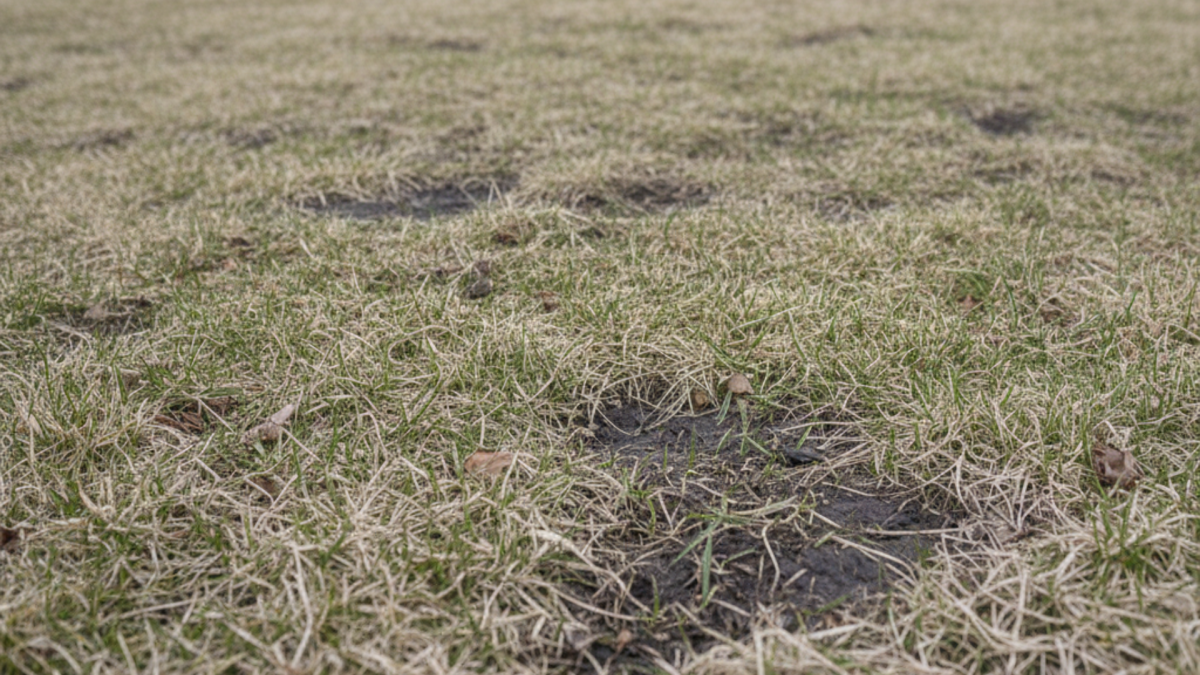
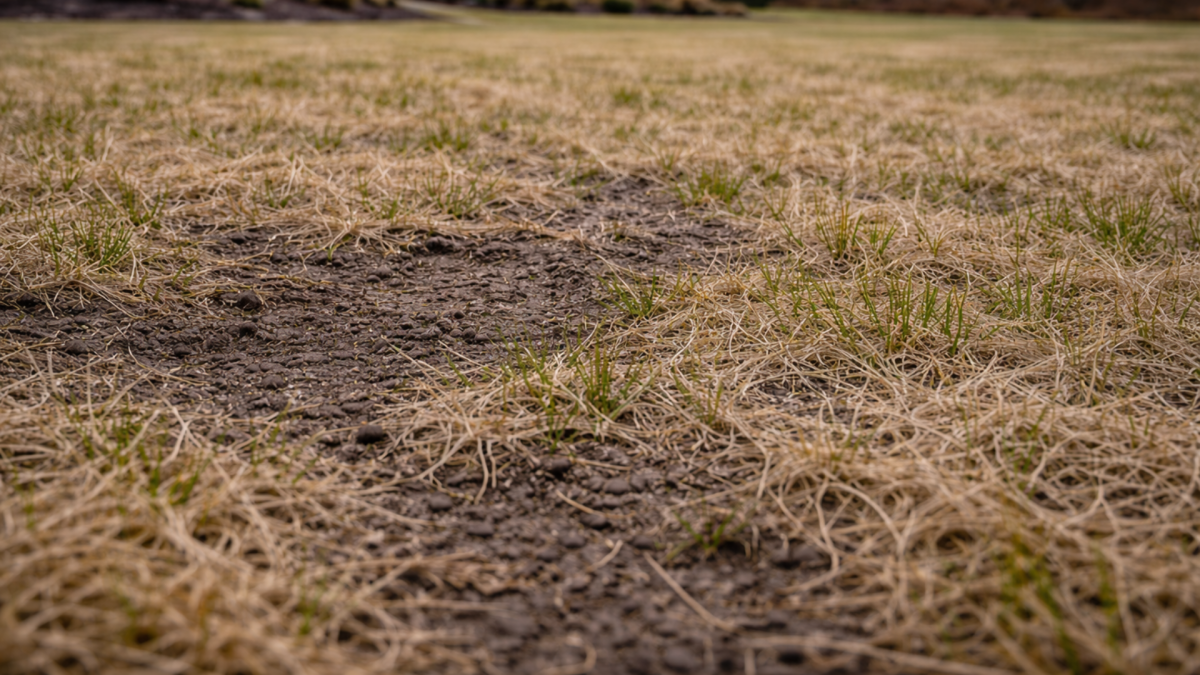
February in Southeast Michigan presents homeowners with concerning brown lawns and an uncomfortable question: is the grass dormant and preparing to recover, or dead and requiring replacement? The answer determines whether property owners should wait for natural spring green-up or immediately plan renovation projects involving overseeding or complete lawn restoration. Making the wrong assessment leads either to wasted money on unnecessary renovation or delayed action that allows dead areas to expand and complicate eventual repair.
The stakes increase when homeowners realize that dormant grass and dead grass can look nearly identical from above. Both appear brown, lifeless, and concerning after months of winter stress or summer drought. Understanding how lawns survive Michigan winters through dormancy helps property owners across Livonia, Canton, Plymouth, Novi, and Northville make accurate assessments before committing to expensive renovation work.
Why Grass Dormancy Causes Assessment Confusion
Grass dormancy is a protective survival mechanism, not a damage state. When environmental conditions become hostile through extreme cold, drought, or heat stress, cool-season grasses common to Michigan lawns stop allocating resources to visible blade growth and redirect all energy to root and crown protection. The above-ground portions turn brown and appear dead while the plant’s critical growing points remain alive below the soil surface, waiting for favorable conditions to resume growth.
This survival strategy evolved over millennia and works remarkably well. Grass can remain dormant for weeks or even months, appearing completely lifeless while maintaining viable crowns and root systems. The brown color results from chlorophyll breakdown in blade tissue, the same process that creates fall foliage colors in trees. But unlike dead grass where cellular structure has collapsed, dormant grass maintains intact cell walls and functional growing points ready to regenerate new blades.
Dead grass results from actual tissue death caused by disease, severe insect damage, chemical injury, or environmental extremes that exceeded the plant’s survival capacity. Once grass dies, the crown and root system decompose, leaving empty spaces in the soil where viable plants once grew. Dead grass cannot recover regardless of improved conditions because the living tissue no longer exists.
The visual similarity between these fundamentally different states creates the assessment challenge. Both show brown blades, both feel dry and brittle when touched, and both persist through winter without obvious change. Homeowners looking at brown lawns in February cannot reliably distinguish dormancy from death through casual observation, yet their renovation decisions and associated costs depend entirely on accurate identification.
Weather patterns complicate assessment further. Lawns that entered winter dormancy healthy might suffer crown death during extreme cold snaps or ice encasement events. Conversely, lawns that appeared stressed in fall might have viable crowns that will support recovery once soil temperatures rise. Surface appearance provides insufficient information for confident diagnosis.
How Misdiagnosis Affects Spring Planning and Costs
Homeowners who assume brown grass is dead often schedule expensive renovation projects including complete lawn replacement, extensive overseeding programs, and soil amendment work that may prove unnecessary once natural recovery occurs. A property owner might spend thousands on renovation only to watch dormant grass green up naturally around the newly seeded areas, creating patchy appearance and wasted investment.
The opposite error carries different consequences but similar frustration. Property owners who assume all brown grass is dormant and delay assessment until May discover that dead areas have expanded as surrounding live grass spread weeds into the empty zones. What might have required modest overseeding in March becomes major renovation by June after weed establishment makes the areas unusable for simple seeding without extensive preparation.
Timing decisions depend heavily on accurate assessment. Overseeding and slit seeding programs work best when scheduled for optimal soil temperature windows in spring and fall. Homeowners who delay assessment until dormant grass obviously greens up in late April miss the early spring seeding window and must wait until fall for optimal establishment conditions. Dead areas identified in February allow adequate time for soil preparation, seed selection, and scheduling during the brief optimal application period.
Budget planning suffers from assessment uncertainty. Property owners face a choice between committing renovation funds immediately based on assumptions or waiting months for definitive answers while risking missed optimal timing. Neither option feels satisfactory without reliable assessment methods that provide earlier confidence.
The challenge extends to understanding recovery expectations. Dormant grass that greens up naturally requires minimal intervention beyond normal fertilization and care. Dead grass requires complete replacement through seeding or sodding, weeks of careful watering, protection from traffic, and patience while new plants establish. Homeowners preparing for spring need accurate information to set realistic expectations and plan accordingly.
Assessment Methods That Reveal True Lawn Condition
Independent Lawn Service uses multiple evaluation techniques to distinguish dormant from dead grass before spring green-up makes the distinction obvious. The tug test involves gently pulling grass blades to check resistance. Dormant grass blades resist pulling and remain firmly attached to crowns, while dead grass pulls free easily with no resistance. Crown examination provides more definitive evidence. Carefully excavating small sections of questionable turf and examining the crown, the growing point at the soil surface where roots and blades connect, reveals viability. Live crowns show white or pale green tissue with firm texture, while dead crowns appear brown, mushy, or disintegrated.
The scratch test checks individual plant viability. Using a fingernail or knife blade to scrape the outer layer from suspect stems and crowns exposes the tissue beneath. Living tissue shows green or white coloration and moist texture, while dead tissue is brown throughout with dry, brittle consistency. Professional assessment combines multiple tests across various lawn areas because damage patterns rarely affect entire properties uniformly.
Disease diagnosis requires particular expertise because some fungal infections create symptoms that mimic winter kill or drought damage. Snow mold, for example, produces circular brown patches that might appear to be dead grass but actually represent fungal infection of dormant plants that will recover with proper treatment. Lawn fungus and disease control approaches differ fundamentally from renovation strategies, making accurate diagnosis essential for appropriate response.
Soil condition evaluation influences recovery potential even when grass crowns remain viable. Compacted soil limits root growth and water infiltration, compromising recovery even from healthy crowns. Salt damage along driveways and sidewalks creates chemical stress that might require soil amendment before successful renovation. These factors affect whether simple patience allows recovery or whether intervention improves outcomes.
Testing Suspect Areas Before Major Renovation Decisions
Lawn care assessment in Plymouth and throughout Southeast Michigan becomes more reliable when conducted after soil temperatures begin rising in March but before obvious green-up occurs in late April. This window allows physical testing while providing enough warming to stimulate initial recovery signals in viable grass. Small-scale testing avoids committing to expensive full-property renovation before confirming actual needs.
Property owners should prioritize assessment in areas showing the most severe browning, damage along salt-exposed edges, sections that remained waterlogged during fall, and high-traffic zones subjected to compaction stress. These vulnerable areas provide the clearest indication of overall lawn condition and help establish whether problems are localized or widespread.
The assessment should account for microclimates across properties. South-facing slopes receive more winter sun exposure and thaw earlier, potentially showing recovery before north-facing areas. Low spots that hold water or ice face increased stress compared to well-drained sections. Shaded areas under evergreens experience different conditions than open lawn expanses.
Local Expertise and Direct Communication
Service providers throughout the region maintain regular contact with customers during late winter specifically to address dormancy concerns and conduct assessments before homeowners commit to unnecessary renovation expenses. This proactive communication prevents costly misdiagnosis and helps property owners understand realistic spring recovery timelines based on current lawn condition and projected weather patterns.
Professional assessment includes documentation of findings, explanation of testing methods used, and clear recommendations distinguishing between areas requiring renovation and areas expected to recover naturally. The goal remains helping property owners make fully informed decisions rather than defaulting to expensive interventions that might prove unnecessary. Staff in the area explain crown examination techniques and testing procedures in straightforward terms, enabling homeowners to understand the basis for recommendations and participate in assessment decisions.
Avoiding Premature Renovation and Missed Recovery Opportunities
Property owners who accurately assess lawn condition before spring avoid spending renovation money on grass that recovers naturally while ensuring dead areas receive timely intervention that prevents weed establishment and expanded damage. The difference between correct and incorrect assessment in February often determines whether homeowners enjoy attractive lawns by May or spend the entire summer managing renovation projects and temporary bare areas.
Independent Lawn Service serves residential and commercial properties throughout Livonia, Plymouth, Canton, Novi, and Northville. Property owners concerned about lawn condition after winter stress or uncertain whether brown areas require renovation can contact Independent Lawn Service at 734-600-9161. Additional information about lawn assessment methods and spring recovery expectations appears on the company website at independentlawnservice.com.
Distinguishing dormant grass from dead grass before committing to renovation prevents both wasted money and delayed response to problems requiring immediate attention.

Contact Information:
Independent Lawn Services
12853 Levan Rd
Livonia, MI 48150
United States
Contact Independent Lawn Services
(734) 667-2476
https://www.independentlawnservice.com/

Original Source: https://independentlawnservice.com/media-room/


