

Hopkins, MN – November 25, 2026 – PRESSADVANTAGE –
Hopkins Auto Body 1 is sharing seasonal consumer guidance to help Minnesota drivers recognize why exposed vehicle body damage deserves attention before prolonged winter weather. Located at 10889 Excelsior Blvd in Hopkins, Minnesota, the collision repair facility is highlighting how damaged paint, exposed metal, and compromised protective coatings can increase corrosion risks when vehicles encounter snow, moisture, and road deicing materials. The guidance encourages vehicle owners to inspect existing exterior damage and understand when professional evaluation may be necessary.
Minor collisions, parking lot impacts, and everyday driving incidents can leave scratches, dents, and damaged body panels that appear primarily cosmetic. However, the condition of the protective coatings beneath the visible finish can determine whether the affected surface is vulnerable to environmental exposure. A scratch limited to the clearcoat generally presents different concerns from damage that penetrates the paint and exposes underlying metal.
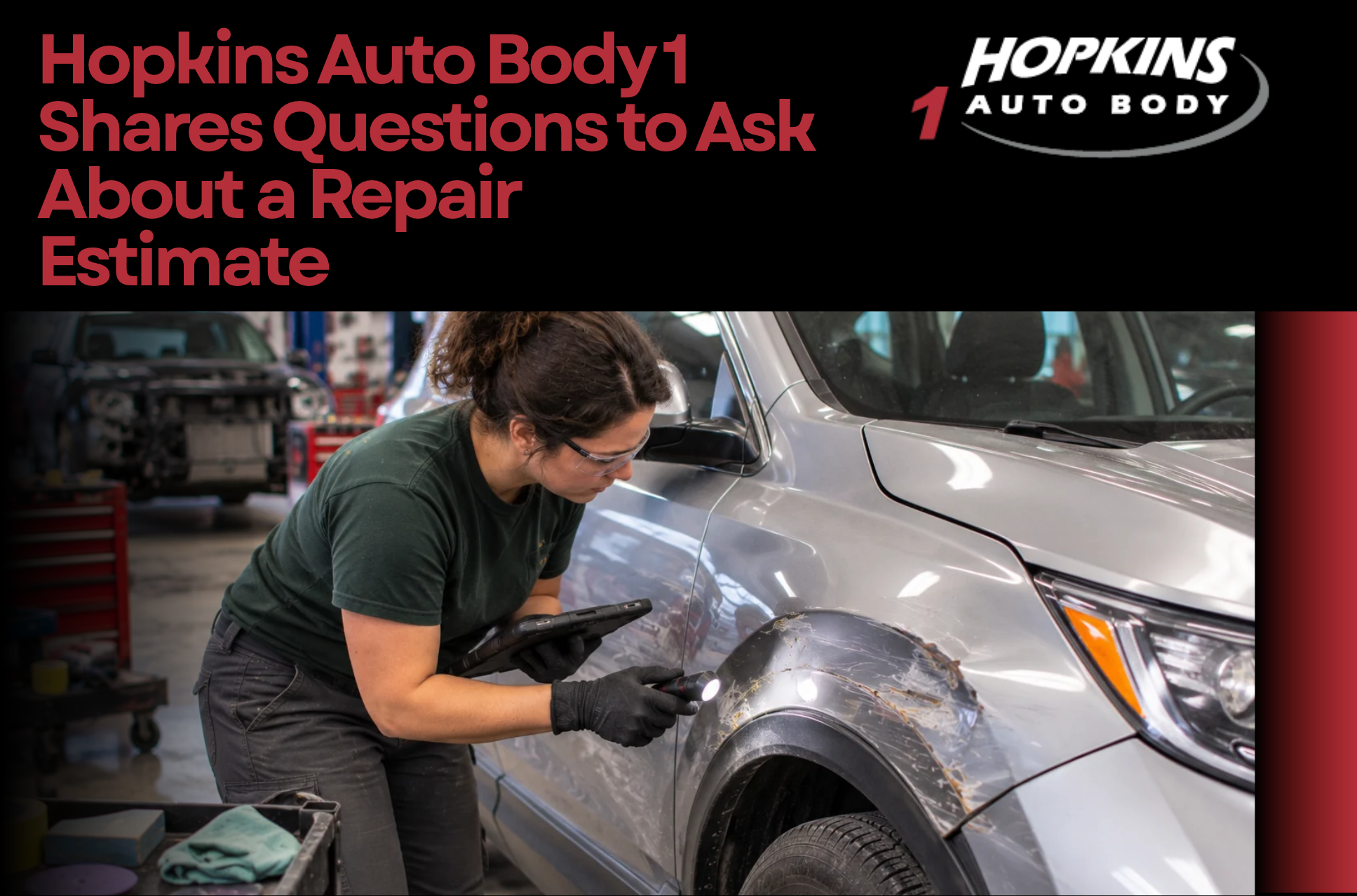
Modern vehicle exteriors typically incorporate multiple protective layers, which may include corrosion-resistant treatments, primers, color coatings, and clearcoats. These materials help protect susceptible surfaces from moisture and environmental contaminants. When an impact removes or cracks these coatings, the underlying material may become exposed, particularly around panel edges, creases, and damaged seams.
Hopkins Auto Body 1 provides auto body repair services for vehicles affected by accident-related exterior damage. Evaluating the depth and location of a scratch or dent helps determine whether the condition involves surface appearance alone or requires additional repair and protective treatment.
Not every instance of exposed metal develops corrosion immediately. The likelihood and progression of deterioration depend on the affected material, existing protective treatments, and environmental conditions. Nevertheless, leaving vulnerable surfaces exposed through winter can create opportunities for moisture and road contaminants to contribute to corrosion.
Minnesota winters present particular challenges because snow, slush, and deicing materials frequently contact vehicle exteriors. Lower door panels, rocker panels, wheel openings, and other areas exposed to road spray may experience repeated contact with moisture and contaminants. Where protective coatings have been compromised, these conditions can increase corrosion risks.
Road salt can accelerate corrosion when moisture and other suitable conditions are present. While regular vehicle washing helps remove accumulated dirt and deicing materials, cleaning alone cannot replace missing paint coatings, restore damaged sealants, or correct exposed metal. Vehicle owners should distinguish preventive maintenance from repairs needed to address existing body damage.
Damage around body seams and overlapping metal sections may also require closer attention. These areas can retain moisture or conceal deterioration when protective coatings and sealants have been disturbed. Corrosion affecting a panel edge may require a different repair approach from a shallow scratch on an otherwise intact exterior surface.
For Hopkins drivers preparing their vehicles for winter, a practical visual inspection can help identify areas that deserve further evaluation. Owners can examine previously damaged panels for exposed metal, cracked paint, damaged seams, bubbling coatings, or changes in the appearance of repaired surfaces. These observations do not necessarily establish corrosion, but they can help determine when an inspection is appropriate.
The location and severity of damage are important considerations when deciding how to address affected surfaces. A minor scratch involving an intact protective coating may require limited attention, while deeper damage affecting the underlying material may involve additional surface preparation, body restoration, or refinishing.
Professional repair begins with assessing the affected area and identifying appropriate procedures for the vehicle. Depending on the damage, technicians may need to clean and prepare the surface, remove unsuitable material, repair damaged metal, or replace components that cannot be restored appropriately. Manufacturer repair instructions and refinishing material specifications help determine the necessary protective treatments.
Hopkins Auto Body 1 also provides collision repair services for accident-related damage involving exterior panels and other affected vehicle components. When an impact extends beneath the visible surface, additional inspection may be necessary to identify damaged mounting areas, seams, or underlying body structures before refinishing work begins.
Restoring corrosion protection can involve more than applying a new exterior finish. Depending on the vehicle and repair operation, applicable procedures may specify primers, seam sealers, or protective treatments for areas that become inaccessible after reassembly. Proper surface preparation and coating application are important parts of addressing damaged exterior protection.
Temporary cosmetic products or coverings should not automatically be considered substitutes for completed repairs. Although some products may temporarily conceal visible damage, their suitability depends on the affected materials and the condition of the underlying surface.
Drivers should also avoid assuming that every dent or scratch requires extensive bodywork. A professional assessment can help distinguish superficial finish damage from conditions involving compromised coatings, exposed metal, or affected panel seams. The appropriate response depends on the actual damage rather than appearance alone.
Additional information about the facility and its available services can be found through the Hopkins location page. Hopkins Auto Body 1 serves drivers in Hopkins and surrounding Twin Cities communities with accident-related vehicle repair needs.
The November guidance encourages vehicle owners to review existing body damage before extended exposure to winter conditions. Identifying compromised coatings, understanding the effects of moisture and road salt, and seeking appropriate repairs when necessary can help drivers make informed decisions about protecting their vehicles from further deterioration.
About Hopkins Auto Body 1
Hopkins Auto Body 1 is an auto body and collision repair facility located at 10889 Excelsior Blvd, Hopkins, MN 55343. The facility provides auto body repair, collision repair, paint refinishing, and related vehicle restoration services for drivers in Hopkins and surrounding Twin Cities communities. As part of the Collision Center 1 network, the location addresses accident-related damage through vehicle-specific assessments and applicable manufacturer repair procedures.
###
For more information about Hopkins Auto Body 1, contact the company here:
Hopkins Auto Body 1
Jerald Stiele
(952) 935-7556
kburke@collisioncenter1.com
10889 Excelsior Blvd, Hopkins, MN 55343