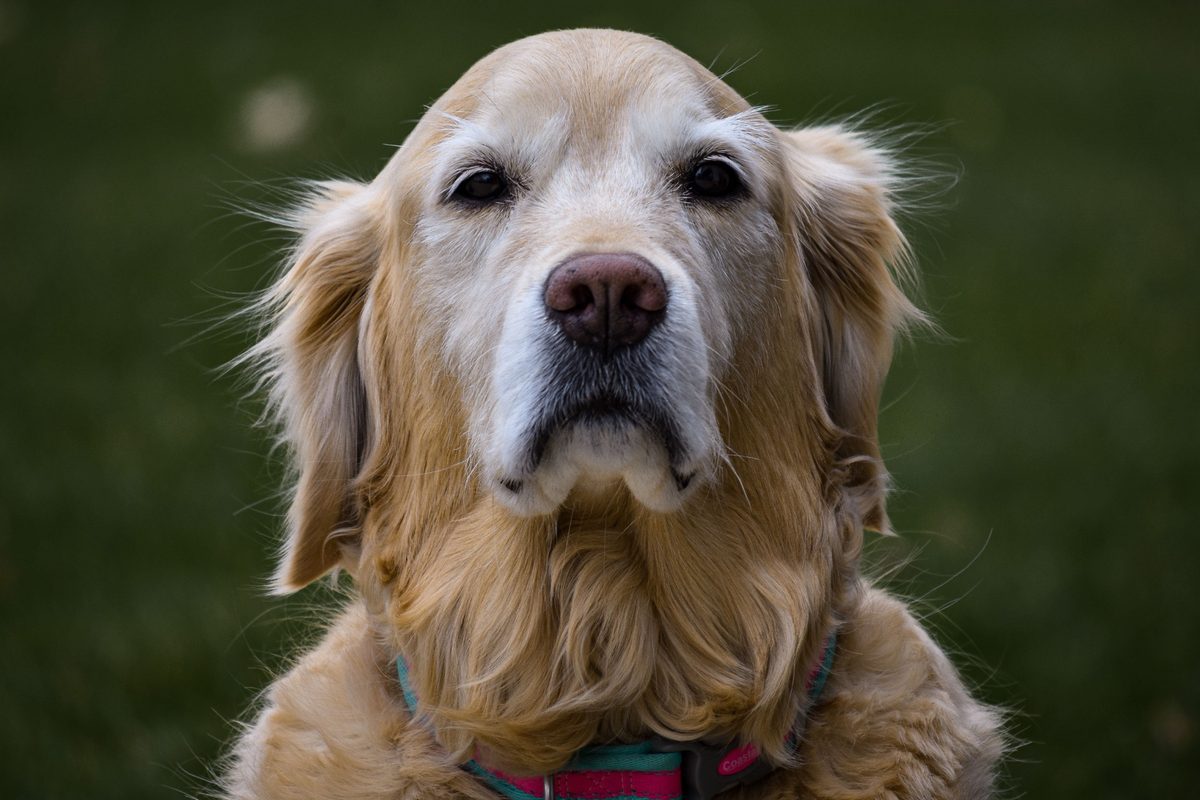
As pets age, antibody testing can help veterinarians assess existing immunity and personalize vaccination decisions as part of routine senior wellness care.
CA, UNITED STATES, October 15, 2026 /EINPresswire.com/ — As dogs and cats grow older, their healthcare needs change. Routine veterinary visits increasingly focus on monitoring overall health, detecting age-related conditions, and adapting preventive care. But one important question is often overlooked: **Does a senior dog or cat still need another booster vaccine, or are they already protected?**
Research has shown that immunity against certain core viral diseases can persist for many years following successful vaccination. Antibody titer testing offers veterinarians a way to assess existing immunity and make more informed vaccination decisions.
With routine bloodwork already a common part of senior wellness examinations, incorporating antibody testing can be a practical addition to preventive care.
Does Vaccine Immunity Decline as Pets Age?
A common misconception is that vaccine-induced protection automatically disappears after a certain number of years. In reality, immunity following successful vaccination can persist considerably longer than standard revaccination intervals.
Studies have demonstrated long-lasting immunity against canine parvovirus (CPV), canine distemper virus (CDV), and canine adenovirus (CAV) in dogs, as well as feline panleukopenia virus (FPV) in cats.
Although aging affects the immune system, reaching senior age does not necessarily mean that previously acquired immunity has been lost. Many older pets continue to have detectable antibodies years after their last vaccination.
How Can Antibody Titer Testing Help?
Antibody titer testing measures antibodies against specific infectious diseases. For core viral diseases such as CPV, CDV, CAV, and FPV, the presence of antibodies is strongly associated with protection.
The 2024 World Small Animal Veterinary Association (WSAVA) Vaccination Guidelines recognize antibody testing as a valuable tool for helping guide core revaccination decisions in adult dogs and cats.
A positive test provides evidence of existing humoral immunity and can help veterinarians determine whether another booster is necessary. A negative result, however, does not always indicate a complete absence of immune protection, as antibody testing does not assess every component of the immune response.
Results should therefore be interpreted alongside the animal’s health, vaccination history, and risk factors.
Integrating Titer Testing Into Routine Senior Wellness Visits
Senior dogs and cats commonly undergo routine bloodwork to monitor kidney and liver function, metabolic health, and other indicators of age-related disease.
These visits provide an ideal opportunity to assess immunity as well.
Rather than scheduling a separate appointment or collecting an additional blood sample, veterinarians can incorporate antibody titer testing into an existing wellness examination using a portion of the blood already collected, when suitable.
This allows veterinarians to evaluate both the animal’s general health and its existing antibody status against core viral diseases during the same visit.
For pet owners, it also creates an opportunity for a more informed discussion about vaccinations, moving beyond simply checking when the last booster was given.
A More Individualized Approach to Senior Pet Care
There is no single vaccination approach appropriate for every senior dog or cat. Age, lifestyle, vaccination history, health status, and exposure risk should all be considered.
For pets with detectable antibodies, titer testing can provide reassurance that protection against core viral diseases is likely still present, helping veterinarians avoid unnecessary revaccination. For animals without detectable antibodies, the results can guide further evaluation and vaccination decisions.
Importantly, antibody testing does not replace all vaccinations. Rabies vaccination requirements and recommendations for other core and non-core vaccines must be considered separately.
In-Clinic Antibody Testing with VacciCheck®
VacciCheck®, developed by Biogal Labs, is an in-clinic, semi-quantitative antibody titer test that measures antibodies against core viral diseases in dogs and cats.
The canine test evaluates antibodies against CPV, CDV, and CAV, while the feline test evaluates antibodies against FPV.
Using a small blood sample, VacciCheck provides results in approximately 23 minutes, making it practical to incorporate into routine veterinary appointments without sending samples to an external laboratory.
As dogs and cats live longer, preventive healthcare should continue to evolve with their needs. Incorporating antibody testing into routine senior wellness visits offers veterinarians another tool to make core vaccination decisions more individualized, informed, and evidence-based.
**Learn more about VacciCheck at www.biogal.com**
Biogal
Biogal Galed Labs
Visit us on social media:
LinkedIn
Instagram
Facebook
YouTube
Legal Disclaimer:
EIN Presswire provides this news content “as is” without warranty of any kind. We do not accept any responsibility or liability
for the accuracy, content, images, videos, licenses, completeness, legality, or reliability of the information contained in this
article. If you have any complaints or copyright issues related to this article, kindly contact the author above.

Media gallery