
KRUM, TX – July 31, 2026 – PRESSADVANTAGE –
Comfort Conditioning has announced the expansion of its commercial HVAC installation services throughout the Dallas-Fort Worth area, supporting businesses with heating and cooling system needs related to equipment replacement, facility improvements, new construction, and changes in building operations.
The expanded service availability is intended to support commercial property owners, facility managers, and building operators as they evaluate HVAC requirements for office buildings, retail properties, industrial facilities, healthcare environments, educational institutions, and other commercial spaces.
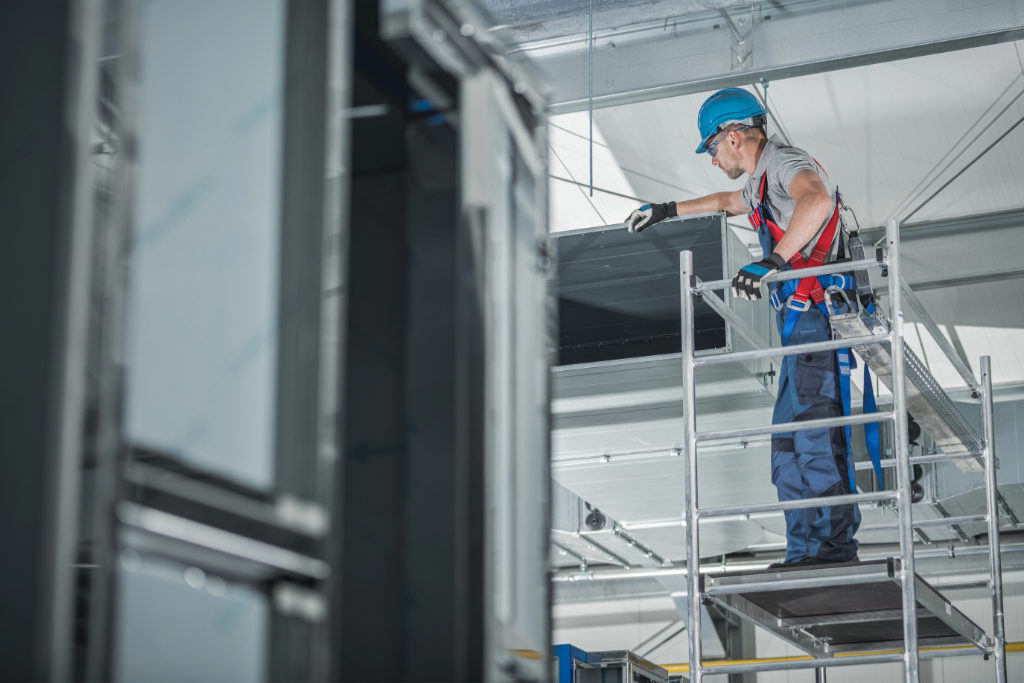
Commercial HVAC installation projects can involve a range of considerations based on a property’s size, layout, occupancy, existing mechanical infrastructure, and intended use. Equipment selection, system capacity, air distribution, ventilation, controls, equipment placement, and compatibility with existing infrastructure may all influence the scope of an installation project.
According to Kanon Van Guilder, owner of Comfort Conditioning in Krum, Texas, commercial HVAC installation requires attention to the individual requirements of each facility. “Commercial HVAC installation requires careful planning around the building, equipment requirements, operating conditions, and timing of the project,” Van Guilder said. “The goal is to support a clear installation process that accounts for the specific needs of each commercial property.”
The expansion comes as businesses throughout the Dallas-Fort Worth area continue to evaluate building infrastructure and plan for future facility needs. HVAC systems may become part of capital planning when equipment approaches the end of its service life, a facility undergoes renovations, or a business requires changes to its heating and cooling capabilities.
For property owners and facility managers, evaluating HVAC requirements in advance may help identify potential equipment needs before an existing system experiences a significant failure. Planning ahead can also provide additional time to consider project requirements, establish a schedule, and coordinate installation activities with normal business operations.
The installation process may vary depending on the type of property and the complexity of the project. A commercial HVAC project can involve reviewing existing equipment, assessing the building’s heating and cooling requirements, determining system capacity, coordinating installation logistics, and planning the transition from existing equipment to newly installed systems.
Commercial properties may also have operational requirements that affect the timing of HVAC work. Businesses with regular operating hours, tenant schedules, occupancy requirements, or specialized facility needs may need to coordinate installation activities around ongoing operations.
“An HVAC replacement or installation is a significant facility decision, and the process should be approached with an understanding of the property’s operational requirements,” Van Guilder said. “Early planning can help identify the work involved and provide a clearer framework for coordinating the project.”
The Dallas-Fort Worth region includes commercial buildings serving a broad range of industries and uses. HVAC requirements can therefore differ substantially between properties. An office building may have different heating and cooling requirements than a warehouse, retail location, healthcare facility, educational building, or industrial property.
The expanded service availability is intended to accommodate the varying needs associated with these commercial environments. Projects may include HVAC installations connected to new construction, replacement of aging equipment, facility renovations, or changes in how a commercial property is used.
For businesses planning an HVAC replacement, installation, or facility improvement, early consideration of building requirements can help clarify the scope of the project. Property owners and facility managers may also review existing equipment as part of broader budgeting and capital planning activities.
Commercial HVAC projects may also require consideration of the building’s existing infrastructure and the relationship between different mechanical components. Depending on the property, installation planning may involve reviewing ductwork, electrical requirements, ventilation, controls, and equipment placement. Understanding these factors before work begins can help identify potential project considerations and establish a more organized approach to installation.
The timing of an HVAC project can also vary according to the property’s operational schedule and the nature of the work being performed. Some businesses may need installation activities coordinated around regular operating hours, while others may have tenant schedules, production requirements, or occupancy considerations that influence when work can take place. Incorporating these factors into project planning can help businesses better prepare for the transition associated with new or replacement equipment.
As commercial properties evolve, HVAC requirements may change along with building use, occupancy, renovations, and expansion plans. A system that previously met a property’s needs may require reevaluation when a facility is remodeled, expanded, or repurposed. Reviewing these changes as part of the planning process can help property owners and facility managers better understand whether existing HVAC infrastructure remains appropriate or whether additional installation or replacement work may be needed.
Energy use and operating costs may also be considered when businesses evaluate commercial HVAC systems. Older equipment can operate differently from newer systems, and changes in building occupancy or usage patterns may affect overall heating and cooling requirements. Reviewing system performance as part of a broader facility assessment can help property owners and managers identify areas that may warrant further evaluation when planning future HVAC projects.
Commercial HVAC installation may also involve coordination with other building improvements. Renovation projects, tenant buildouts, additions, and changes to interior spaces can affect how heating and cooling systems are configured. When multiple facility projects are planned at the same time, HVAC requirements may need to be considered alongside other construction and infrastructure work to ensure that project schedules and building needs are appropriately coordinated.
The planning process may also vary based on whether a project involves replacing an existing system or installing HVAC equipment in a newly constructed or significantly renovated space. Replacement projects may require consideration of existing equipment and infrastructure, while new installations may involve planning for the heating and cooling requirements of a building that has not previously been occupied. In either case, understanding the property’s current and anticipated needs can provide a basis for evaluating the scope and timing of the work.
As businesses plan upcoming facility investments, reviewing HVAC infrastructure can help identify potential system requirements and project considerations. Advance planning may also allow property decision-makers to better coordinate installation work with operational schedules and other building projects.
Additional information about Comfort Conditioning’s commercial HVAC installation services is available on their website at https://comfortconditioning.com/
###
For more information about Comfort Conditioning, contact the company here:
Comfort Conditioning
Kanon Van Guilder
(469) 277-7886
admin@comfortconditioning.com
15076 US Hwy 380 W, Sut. D1
Krum, TX 76249


